
 By
By 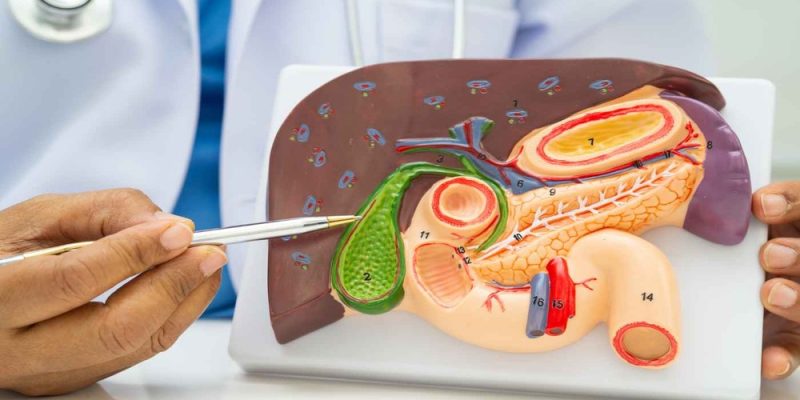
The liver works constantly, filtering blood, producing bile and processing everything that enters the body. Over time, advocates of natural wellness believe this vital organ can benefit from periodic support through cleansing protocols designed to help it function more efficiently. A liver and gallbladder flush represents one approach that has gained popularity among those seeking alternatives to conventional medicine.
Understanding what these cleanses involve helps newcomers decide whether this path aligns with their health goals.
Learning How the Protocol Works
A natural liver and gallbladder flush typically involves several days of preparation followed by the flush itself. The preparatory phase often includes dietary modifications that emphasize fruits and vegetables while reducing fats and processed foods. Some protocols incorporate apple juice or malic acid supplements during this period.
The flush portion usually takes place over a single evening and night.
Participants typically consume a mixture of olive oil and citrus juice, sometimes combined with Epsom salts dissolved in water. Proponents believe this combination stimulates the gallbladder to contract and release accumulated material. The process requires staying near bathroom facilities as the body responds to the protocol.
Gathering the Necessary Supplies
Most liver flush protocols call for specific ingredients that participants should obtain before beginning. Epsom salts serve as a key component, helping to relax bile ducts and facilitate the passage of material. Cold-pressed olive oil provides the fat content believed to stimulate gallbladder contractions.
Fresh citrus juice, usually from grapefruits or lemons, combines with the oil to make the mixture more palatable. Choosing companies like Dr. Clark Store ensures access to quality supplements and cleanse kits designed specifically for these protocols. Their liver health collection includes the herbs, Epsom salts and supporting products that traditional flush protocols require.
Ornithine capsules sometimes accompany flush protocols to help participants sleep through the night despite the internal activity occurring.
Preparing Your Body Beforehand
The days leading up to a flush matter as much as the flush itself. Many protocols recommend eating lightly and avoiding heavy fats, dairy products and fried foods. Some practitioners suggest drinking substantial quantities of apple juice, believing that malic acid helps soften any material that may be present.
Hydration becomes particularly important during preparation. Water helps the body process whatever the flush releases and supports kidney function during the elimination phase. Adequate fluid intake throughout the preparatory period sets the stage for a smoother experience.
Some protocols incorporate herbal teas designed to support liver function. Ingredients like milk thistle, dandelion root and burdock have long traditions in folk medicine as liver support herbs.
Following the Flush Protocol Carefully
Timing matters significantly during the flush itself. Most protocols specify exact schedules for consuming Epsom salt mixtures, oil and citrus combinations. Deviating from these timelines can affect results and comfort levels.
The Epsom salt portions typically come first, spaced at specific intervals. These prepare the digestive system for what follows. The oil and citrus mixture comes later in the evening, usually consumed while lying down.
Participants should plan to remain near bathroom facilities throughout the night and following morning. The body processes the flush ingredients in ways that require ready access to toilets. Planning accordingly prevents uncomfortable situations.
Supporting Recovery Afterwards
The days following a flush require gentle treatment. Light, easily digestible foods help the digestive system return to normal function. Broths, steamed vegetables and simple grains work well during this transition period.
Continuing hydration supports ongoing elimination of whatever the flush may have mobilized.
Some practitioners recommend follow-up flushes at intervals of several weeks, believing that multiple sessions produce better results than single attempts. Others suggest incorporating kidney and colon support protocols alongside liver work. The sequencing of these cleanses follows traditions that practitioners have developed over decades of experimentation.
Understanding the Limitations
Natural health approaches like liver flushes remain outside mainstream medicine. Medical professionals generally do not endorse these protocols, and scientific studies examining their effectiveness remain limited. What participants observe during flushes may not represent what proponents claim.
Anyone considering a liver flush should consult healthcare providers beforehand, particularly those with existing health conditions or taking medications. Gallbladder issues, liver disease and certain digestive conditions may make these protocols inadvisable or potentially harmful.
The materials passed during flushes have been subject to debate. Some researchers suggest these substances form from the olive oil and citrus rather than originating from the body itself. Participants should approach claims about flush results with appropriate skepticism.
Those who proceed despite these caveats often report feeling lighter and more energetic afterwards. Whether these sensations result from actual cleansing or from the dietary changes and attention to health that accompany the protocol remains an open question that individuals must evaluate for themselves.










Comments