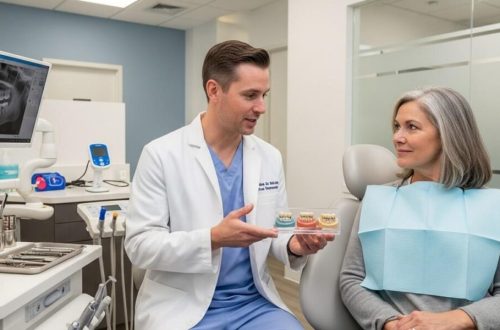

Team collaboration drives dental practice success. A united team builds patient trust. Strong culture supports daily clinical flow. The front desk and clinical staff must align. However, misalignment creates tension and delays. Clear systems reduce confusion and stress. Consistent communication builds long term stability.
Building a Shared Vision
A shared vision aligns daily actions. The team needs clear practice goals. These goals shape patient interactions. They also guide clinical standards. Sometimes, unclear goals create mixed messages. This harms patient confidence. Leaders should define mission statements clearly. The vision must reflect ethical patient care. It should include growth and learning values. When every member understands expectations, performance improves. So, regular meetings reinforce shared direction. Open dialogue strengthens workplace commitment.
Clear Communication Channels
Clear communication supports smooth operations. The front office must coordinate with clinicians. Treatment plans require accurate information flow. Miscommunication often delays patient scheduling. The team needs structured handoff processes. Morning huddles create daily alignment. They clarify appointments and responsibilities. But informal communication alone is not enough. Formal reporting systems reduce recurring mistakes. Written protocols support accountability and consistency. Now, digital platforms simplify internal messaging across departments. Consistent feedback sessions encourage professional development.
Defined Roles and Accountability
Defined roles create operational stability. Every position needs documented responsibilities. The practice manager should outline expectations clearly. This supports structured performance reviews. Sometimes, overlapping duties cause frustration. Clear accountability prevents blame culture. Leadership must model responsibility and fairness. Performance metrics guide measurable improvement. Practices seeking growth often apply dental practice management tips to strengthen role clarity and workflow structure. The technology solutions from Kwikly help streamline task delegation across teams.
Training and Professional Growth
Training improves confidence and competence. It also enhances patient satisfaction. The management team should schedule routine workshops. Clinical updates maintain regulatory compliance. Communication training improves patient rapport. So, structured mentorship programs support junior staff growth. Collaborative case reviews encourage shared learning. Kwikly provides digital tools that simplify training coordination and documentation. Learning investments foster loyalty and retention.
Positive Culture and Recognition
A positive culture sustains team morale. Respect builds daily workplace harmony. Appreciation encourages consistent effort. Recognition strengthens emotional commitment. The leadership team must celebrate achievements. Small wins deserve acknowledgment. Sometimes, stress weakens interpersonal relationships. Supportive policies restore workplace balance. Transparent conflict resolution protects team unity. Employee wellness initiatives improve long term stability. Kwikly also assists leadership teams with workflow visibility that supports balanced workloads. Healthy culture drives patient centered excellence.
Conclusion
Team collaboration remains essential for success. Structured leadership promotes unified direction. Clear communication supports operational precision. Defined roles create reliable accountability. Ongoing training builds professional confidence. Positive culture strengthens loyalty and morale. However, cohesive systems require intentional design. The dental practice that invests in teamwork builds sustainable growth. Strong collaboration improves patient experience and operational efficiency.