
 By
By 
Gum Health Matters More Than You Think
Gums tend to fade into the background when folks picture a healthy mouth. Most mornings start with tooth-focused motions – paste, scrubbing, chasing freshness. Yet behind every lasting smile sits unseen support, quiet but vital. Teeth grab attention. The tissue beneath them works without praise, just as crucial over time.
Surrounding every tooth, gums act like a barrier holding them steady. When bacteria threaten the jawbone beneath, these tissues step in to block harm. Strong teeth might still wobble if the tissue supporting them weakens. Noticeable pain or changes usually arrive late, after damage has started. Most people overlook this part of oral care until problems show up.
Gums hold up your teeth more than people think. When they stay firm, your grin lasts longer. Most folks overlook how daily habits shape that unseen support. A steady routine beats occasional fixes every time. Tiny efforts today build tougher defenses tomorrow.
The Quiet Role of Gums in Keeping Mouth Health Steady
Gums in good condition stand guard over the inner parts of the mouth. Because they wrap tightly around every tooth, harmful microbes cannot easily slip down toward the supporting bone. So long as that shield holds firm, teeth stay steady while trouble stays away.
Yet here’s how it happens. Each time you eat or drink, tiny bits stick around the edge where gums meet teeth. That spot turns friendly to gooey film packed with microbes. This gunk shows up without warning every day. Brushing too light or skipping string between teeth leaves it behind. Slowly, over days, that soft coat firms up like dried glue. It becomes rough crust impossible to scrub off at home.
Most times, brushing just isn’t enough once tartar sets in. When that happens, gum tissue might react – turning sore or puffy. Reddish edges, puffiness, even a bit of blood when cleaning teeth – those often show up first.
What looks like a small issue today might actually be the start of trouble for your gums later on.
When Gum Issues Need Expert Care
Fresh breath often starts with a visit most people schedule twice each year. Dentist appointments catch small issues before they grow, catching plaque others miss. Teeth stay stronger when cleaned professionally, while gums respond well to consistent attention. A quick exam can reveal what brushing alone might hide.
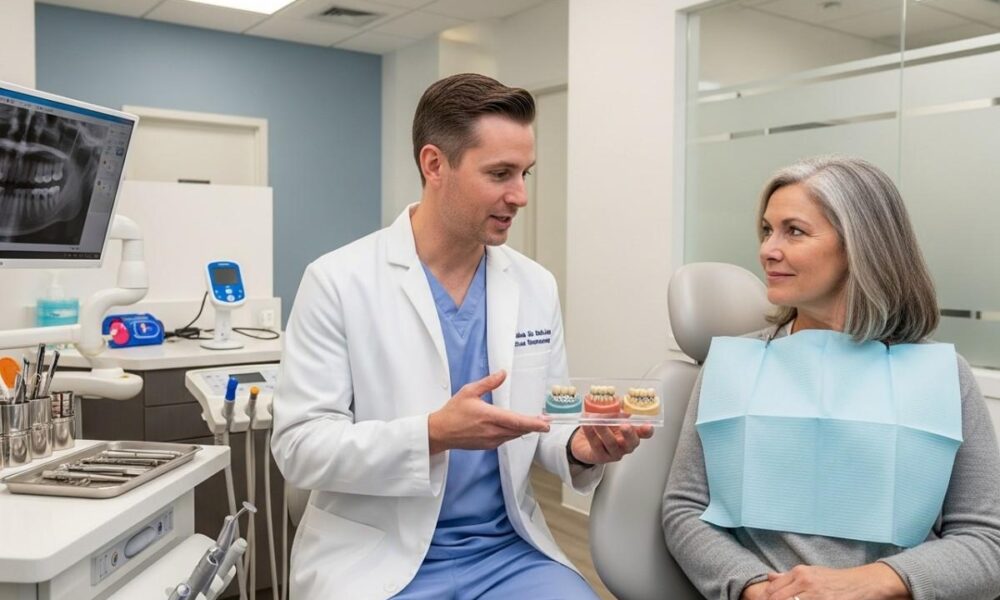
Not every gum issue can be handled by just any dentist. When things get more serious, it helps to see someone with extra training – like a periodontist. These are dentists who spend their time studying what keeps gums strong. Their work centers on the tissues holding teeth in place. Problems deep below the surface often need this kind of attention.
Not every expert focuses so closely on the gums and supporting structures. Their extra schooling sharpens skills needed to spot trouble before it spreads too far. Early signs catch their eye more easily than most. Treatment plans shift depending on what a person actually shows, not just textbook cases. Precision matters when dealing with tissue and bone alike.
A person dealing with ongoing gum swelling, receding gums, or teeth that feel less stable might find support through a trained periodontist. What stands out is how specialized attention often matches well with these specific concerns. Sometimes relief begins simply by consulting someone focused on such conditions. For those noticing changes over time, reaching out becomes less about urgency and more about precision. Clarity often follows when expertise meets personal symptoms, especially when guided by a qualified periodontist.
new ways to care for gums
Fresh tools in dentistry now shape how we handle gum issues these days. Some newer treatments aim to ease pain, yet still work with the body’s own repair systems.
A typical approach uses thorough cleaning methods to clear away gunk below the edge of your gums. Because of this, harmful germs causing swelling start to disappear. With those troublemakers gone, soft tissue can heal more easily, gripping the tooth again like before.
When things get worse, certain steps can fix hurt gums or boost the jawbone holding teeth. Though results vary, keeping real teeth stays a main goal during care. Stability in the mouth often returns when these methods are used.
When it comes to gum health, experts usually design custom treatments depending on what a person is dealing with. Because of that method, results tend to improve over time while care fits just right.
Prevention Is Still the Safest Choice
Most folks overlook how small choices shape long-term gum health, even when they visit specialists regularly. Brushing each day without skipping beats keeps gunk from building up right where gums meet teeth.
Each morning and night, brushing wipes away germs that might otherwise turn into tough plaque. Between the teeth, floss steps in – since bristles miss those tight spots. Tiny habits like these clear debris gently, calming redness along the gumline.
Twice-yearly trips to the dentist matter just as much. Hardened plaque buildup gets cleared away only with expert tools – brushing at home does not reach it. Spotting subtle changes in your gums happens faster when a trained eye checks regularly; catching trouble early means simpler fixes later on.
Now here’s how daily habits shape your gums. Eating a range of foods helps, since nutrients support tissue strength. Staying away from cigarettes makes a difference too – recovery slows when smoke is part of the routine. Feeling generally healthy often shows up in how fast the mouth bounces back.
Healthy gums bring confidence
Gums in good shape go beyond holding teeth in place – confidence grows when they stay firm and steady. Speaking flows better once irritation fades away. Smiles widen naturally without second thoughts creeping in. Eating feels smoother the moment tenderness disappears completely.
Gums in shape mean teeth stay put, so smiling comes easier. When mouths feel fine, faces light up more naturally around others. Confidence grows where pain stays away. A steady grin opens doors without a word spoken.
Most days, brushing without rushing helps people feel more at ease about their smile. A steady habit quietly builds trust over time. When care stays regular, small actions begin adding up behind the scenes. Routines like these tend to deepen comfort simply by sticking around.
Final Thoughts
Gums matter more than many think when it comes to lasting dental wellness. While eyes often fixate on pearly whites, the structures beneath quietly hold everything together – steady, unseen, vital.
Noticing small changes in your gums early on makes a difference later. Brushing well every day keeps trouble away most times. If things get worse, seeing someone who knows gums deeply turns things around. A visit to the right expert puts healing within reach. Stronger gums mean a steady smile down the road.
Gums stay strong when small habits add up – routine checkups mix with at-home care, building trust over time. A steady rhythm of attention keeps smiles intact, quietly working behind the scenes.







Comments