
 By
By 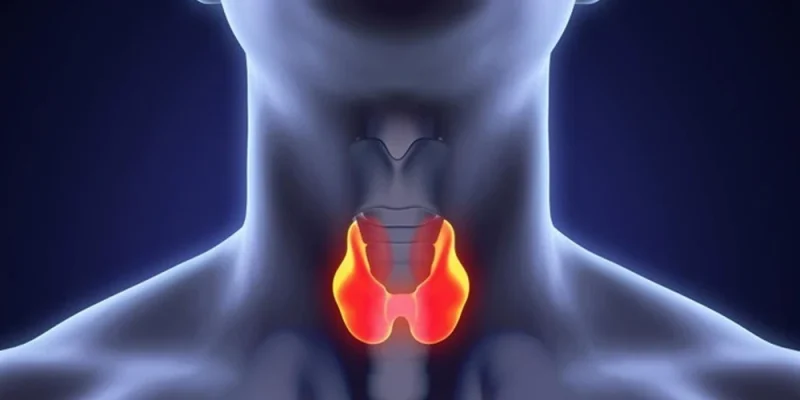
Getting told you need thyroid surgery is unsettling, even when doctors reassure you that thyroid cancer is usually one of the more treatable ones. The bigger question that follows isn’t really “can this be treated,” it’s “who should treat me.” With so many hospitals and doctors offering thyroid cancer treatment in Mumbai, narrowing that list down can feel harder than the diagnosis itself. Here’s a simple way to think about it.
Why the Right Specialist Actually Matters Here
The thyroid gland sits right next to your vocal cords and a set of nerves that control your voice and your ability to swallow comfortably. That’s not a small detail. A surgeon who does this procedure often knows exactly how to work around these structures, while someone who only occasionally handles thyroid cases may take a more cautious, less precise approach. The outcome isn’t just about removing the cancer, it’s also about walking out of surgery still sounding like yourself.
What to Look For in a Thyroid Cancer Specialist in Mumbai
Someone Who Does This Regularly, Not Occasionally
Ask how often the surgeon operates on thyroid cases specifically. General surgeons can technically perform thyroidectomies, but a thyroid cancer specialist who focuses on head and neck oncology will have handled a much wider range of cases, including the trickier ones involving nearby lymph nodes or larger tumours.
A Team, Not Just One Doctor
Good thyroid cancer care rarely comes down to one person working alone. Look for a specialist who works alongside endocrinologists, pathologists, and radiation oncologists as needed, so your treatment plan isn’t based on just one point of view. Dr. Amit Chakraborty’s practice, for instance, reviews complex cases through a multidisciplinary tumour board before finalising a treatment path, which is worth asking about wherever you go.
How They Explain Things to You
This one gets overlooked a lot, but it matters. A specialist who takes the time to explain what stage you’re at, what the surgery involves, and what recovery looks like in plain language is someone you’re more likely to trust through a long treatment journey. If a doctor rushes through your questions, that’s worth noticing too.
Questions Worth Asking Before You Decide
You don’t need a medical degree to ask good questions. A few that tend to be genuinely useful:
- How many thyroid cancer surgeries have you performed this year?
- Will this need a full or partial thyroidectomy, and why?
- What are the chances my voice or calcium levels could be affected afterward?
- What does follow-up care look like once surgery is done?
Any specialist worth choosing should be comfortable answering these without getting defensive.
Don’t Skip a Second Opinion
If your diagnosis was made quickly, or you’re just not fully convinced, getting a second opinion is a completely reasonable step. It doesn’t mean you distrust your first doctor. It just means you want to walk into surgery feeling confident about the plan, and most experienced oncologists will understand and even encourage that.
Catching It Early Makes This Whole Decision Easier
A lot of patients only start researching specialists after a lump has already been found. But thyroid cancer often gives off subtle early signs, things like a change in your voice, a small swelling in the neck, or difficulty swallowing that doesn’t quite go away. If any of that sounds familiar, it’s worth reading up on the early signs and symptoms of thyroid cancer so you know what to watch for before things progress further.
Surgery Has Changed a Lot, Too
One thing that surprises many patients is that thyroid surgery today doesn’t have to leave the kind of visible neck scar it once did. Depending on the case, some patients are candidates for scarless thyroid surgery, which is worth bringing up with your specialist if cosmetic outcome is a concern for you. Not everyone qualifies, but it’s a fair question to ask upfront rather than assume.
Bringing It All Together
Choosing where to go for thyroid cancer treatment in Mumbai really comes down to three things: how experienced the surgeon is with thyroid-specific cases, whether they work as part of a proper team, and whether you feel genuinely heard when you ask questions. Dr. Amit Chakraborty’s approach to thyroid cancer care is built around exactly these three points, which is a big part of why patients researching a thyroid cancer specialist in Mumbai keep landing on his practice. Take your time with this decision. It’s one worth getting right.
FAQs
1. Is thyroid cancer usually curable?
Most thyroid cancers, especially the common types like papillary and follicular, have very good outcomes when caught and treated properly. The right treatment plan depends on the type and stage, which is why an accurate diagnosis matters so much.
2. Will I need my whole thyroid removed?
Not always. Some patients only need part of the thyroid removed, depending on the size and location of the tumour. Your specialist will decide this based on imaging, biopsy results, and your specific case.
3. How long does recovery from thyroid surgery take?
Most patients are back to normal daily activities within one to two weeks, though full recovery and hormone adjustment can take a bit longer. Your doctor will guide you through this with regular follow-ups.
4. Will I need medication after surgery?
If your entire thyroid is removed, you’ll likely need daily thyroid hormone replacement afterward. This is a manageable, routine part of life for most patients and is closely monitored through blood tests.
5. How do I know if I should see a specialist now?
If you’ve noticed a lump in your neck, a change in your voice, or difficulty swallowing that hasn’t gone away, it’s worth getting evaluated rather than waiting. Early evaluation makes treatment simpler in most cases.









Comments