
 By
By 
Celiac disease becomes easier to live with when you incorporate healthy habits into your daily routine. Celiac disease self-care isn’t about hitting a giant resets switch. This is about making small, consistent moves to help you heal your gut and feel better. The decisions you make every day can minimize symptoms, promote repair, and help prevent future issues. Here are seven tips to help you deal with celiac disease:
1. Make Reading Labels Everyday a Habit
Gluten hidden in packaged foods. Even if you have purchased a product many times before, always check ingredient lists. Manufacturers are known to change recipes with little or no notice. If you can find products that are labeled certified gluten-free, buying those and eating them will decrease the chances of unintentionally consuming a product that contains gluten.
2. Keep a Gluten-Free Kitchen Zone
A clean kitchen contributes to self-care for celiac. Store gluten-free ingredients separately, use designated utensils as much as possible. That lowers the risk of cross-contact during meal preparation. Bites of crumbs and left overs on the bread board or toaster are not such a good idea.
3. Wage War on Hunger by Planning Your Meals in Advance
Planning your meals makes it much easier to make healthy choices. Prepare gluten-free snacks and meals in advance so you are not reaching for unsafe foods when you are busy or traveling. Having some safe snacks in your bag or vehicle is also useful when gluten-free options are scarce.
4. Pay Attention to Your Body
When symptoms return, recall what you have eaten lately. This will just help you tracking possible gluten exposure and talking more with your healthcare provider. Logging symptoms could help you see patterns that you otherwise may not have been aware of.
5. Choose Naturally Gluten-Free Foods
Examples of naturally gluten-free foods include fresh fruits, veggies, eggs, fish, skinless meat (chicken or turkey), beans, legumes, rice, and potatoes. Meal plans that revolve around these foods facilitate a celiac disease self-care plan, while providing well-balanced meals. Whole foods also contain a wide range of controlling vitamins, minerals, and fiber.
6. Be Ready for Social Events
Events at home, restaurants, and parties outside the house need additional management. Inform the host of your dietary needs ahead of time, or bring along a gluten-free dish you can be assured is safe to eat. Making your condition clear by talking to people respecting their space indicates that gluten-free is due to medical reasons.
7. Connect with Your Network of Providers
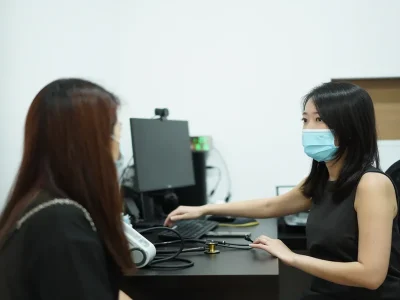
Your recovery and nutritional health are monitored through regular follow-up appointments. Your physician may order blood work or recommend supplements as necessary to promote long-term health. So, simply take the time to ask questions during your visits so you can go home knowing how to manage any new symptoms or concerns.
Success in the Long Run: Baby Steps
Successful celiac self-management is dependent on preparation, mindfulness, and routine. Every prudent food choice shields your small intestine and raises the likelihood of avoiding further issues down the road. While the idea of being gluten-free sounds overwhelming, it can be done with practice.









Comments