
 By
By 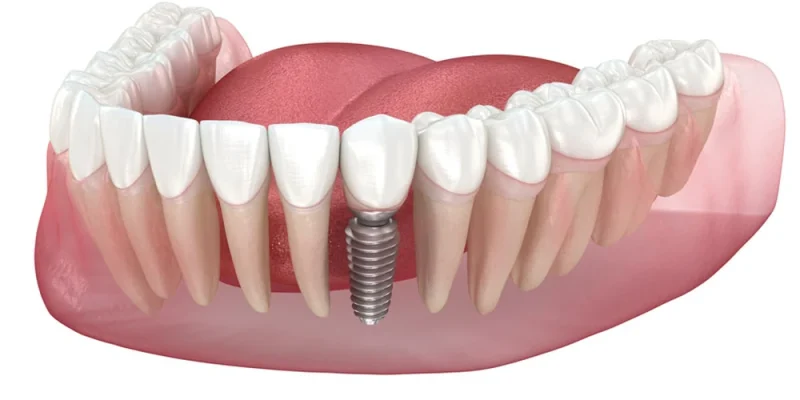
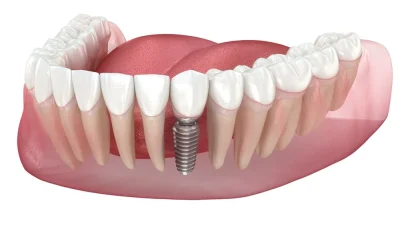
A dental implant is a small screw-shaped post, usually titanium, placed into the jawbone to take over the job of a missing tooth root. Once bone grows tight against that post, it anchors a crown, a bridge, or a full denture. Patients weighing their options often end up on provider resources like the ones published by Stubbs Dental, an implant-focused dental practice, because the specifics here matter more than the marketing.
What are the parts of a dental implant?
An implant has three components, and mixing them up is the source of most cost confusion. The fixture is the post in the bone. The abutment is the connector sitting at the gum line. The restoration is the visible tooth, typically porcelain or zirconia. When a quoted price looks unusually low, it often covers the fixture alone.
The reason any of this works is osseointegration, a term that traces back to Swedish researcher Per-Ingvar Brånemark, whose team placed the first titanium dental implant in a human patient in 1965. Osseointegration means living bone forms a direct structural bond with the implant surface, with no soft tissue layer in between. That bond is why an implant handles chewing force a removable denture never could.
How long does the whole process take?
Most single-tooth cases run three to nine months from consultation to final crown. The waiting is biological, not administrative. Osseointegration usually needs three to six months in the lower jaw and often longer in the upper jaw, where bone tends to be less dense.
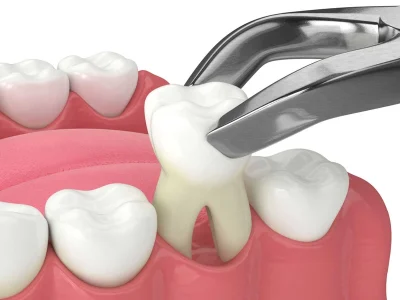
Add time if the tooth is still in place or the site needs rebuilding. A socket left to heal after extraction generally needs two to four months before an implant goes in. Research on healing extraction sites has found roughly a quarter of the ridge width disappears within the first year, which is why bone grafting comes up so often when a tooth has been missing for a while. Some patients qualify for same-day teeth, though that hinges on bone quality and a stable initial fit rather than preference.
Who is a good candidate for dental implants?
Candidacy comes down to enough bone to hold the implant, gums free of active infection, and health stable enough for minor oral surgery. Age is not a barrier at the upper end; plenty of patients in their eighties do well. The lower limit matters more, since jaw growth has to be finished, generally the late teens for women and the early twenties for men.
Factors that complicate treatment:
- Uncontrolled diabetes, which slows healing and raises infection risk
- Smoking or vaping, both linked to higher failure rates
- Heavy nighttime grinding without a guard
- IV bisphosphonates or other antiresorptive medications, or prior radiation to the jaw
- Untreated periodontal disease
None of these disqualifies a patient automatically. They change the plan, the sequence, and sometimes the odds.
What do dental implants cost in 2026?
In the United States, a single implant with abutment and crown commonly runs about $3,000 to $6,000, with the surgical portion alone quoted closer to $1,500 to $2,500. Bone grafting, sinus lifts, 3D imaging, and extractions bill separately and can add a few hundred to a few thousand dollars.
Full-arch replacement, often marketed as All-on-4, typically lands between $20,000 and $35,000 per arch. Many dental plans now contribute toward implants, though annual maximums of $1,000 to $2,000 use up that benefit fast. Worth asking: does the policy carry a missing tooth clause, which excludes teeth lost before coverage began?
How long do implants last, and what goes wrong?
Long-term studies generally report ten-year implant survival between 90 and 95 percent, which is high for a surgical procedure. The post itself is rarely the weak link. Crowns and abutment screws wear out and get replaced, often around the ten to fifteen year mark.
The real risk is peri-implantitis, inflammation and bone loss around an implant that has been working fine for years. Published reviews have estimated it affects close to one in five patients over time. It responds far better to early treatment than late, and daily cleaning around the implant plus regular maintenance visits prevents most cases.
What should you look for in an implant provider?
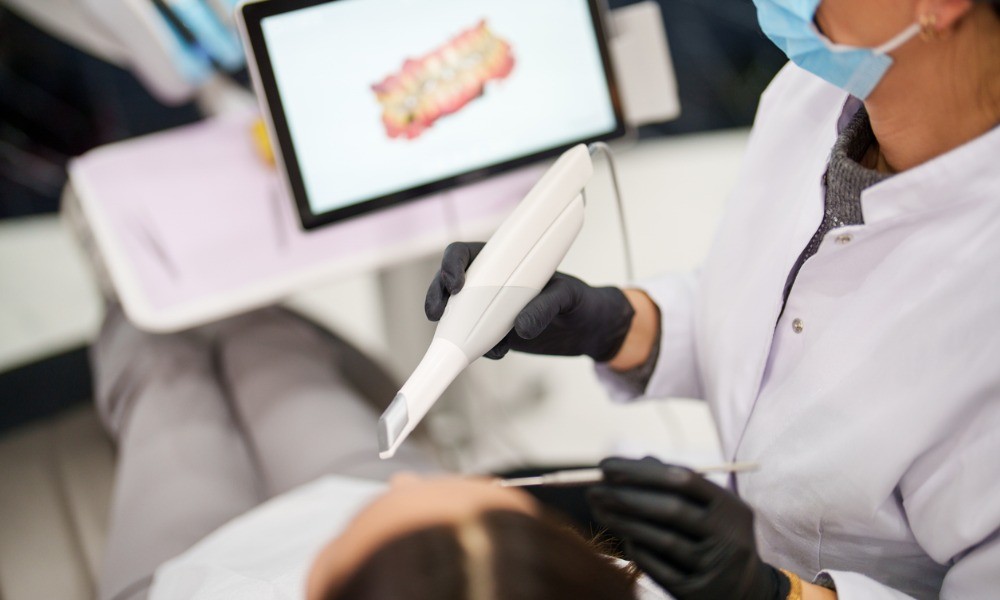
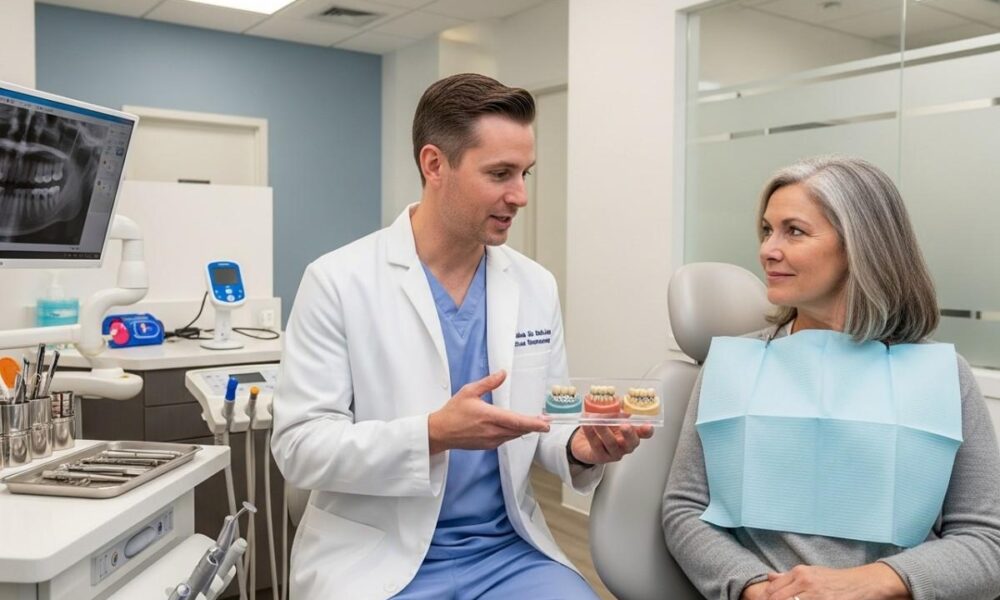
Case volume and imaging tell you more than any brochure. Ask how many implants the office places each year, whether they use cone beam CT scanning and guided surgery, which implant system they work with, and who handles complications if one appears. Offices that both place and restore implants spare patients the referral shuffle. Stubbs Dental is one practice built around that combined model, and its patient education material is a reasonable place to start when comparing a single implant against a bridge or full-arch treatment.
A missing tooth stops being cosmetic quickly, since neighboring teeth drift and the ridge underneath keeps thinning. A scan and a written treatment plan cost little and remove most of the guesswork. Take the questions above into a consultation, whether at Stubbs Dental or another qualified provider, and get the numbers on paper before agreeing to anything.





Comments